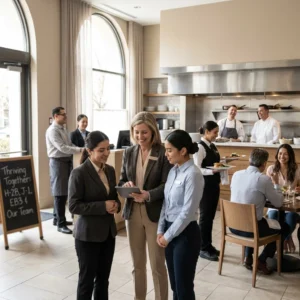

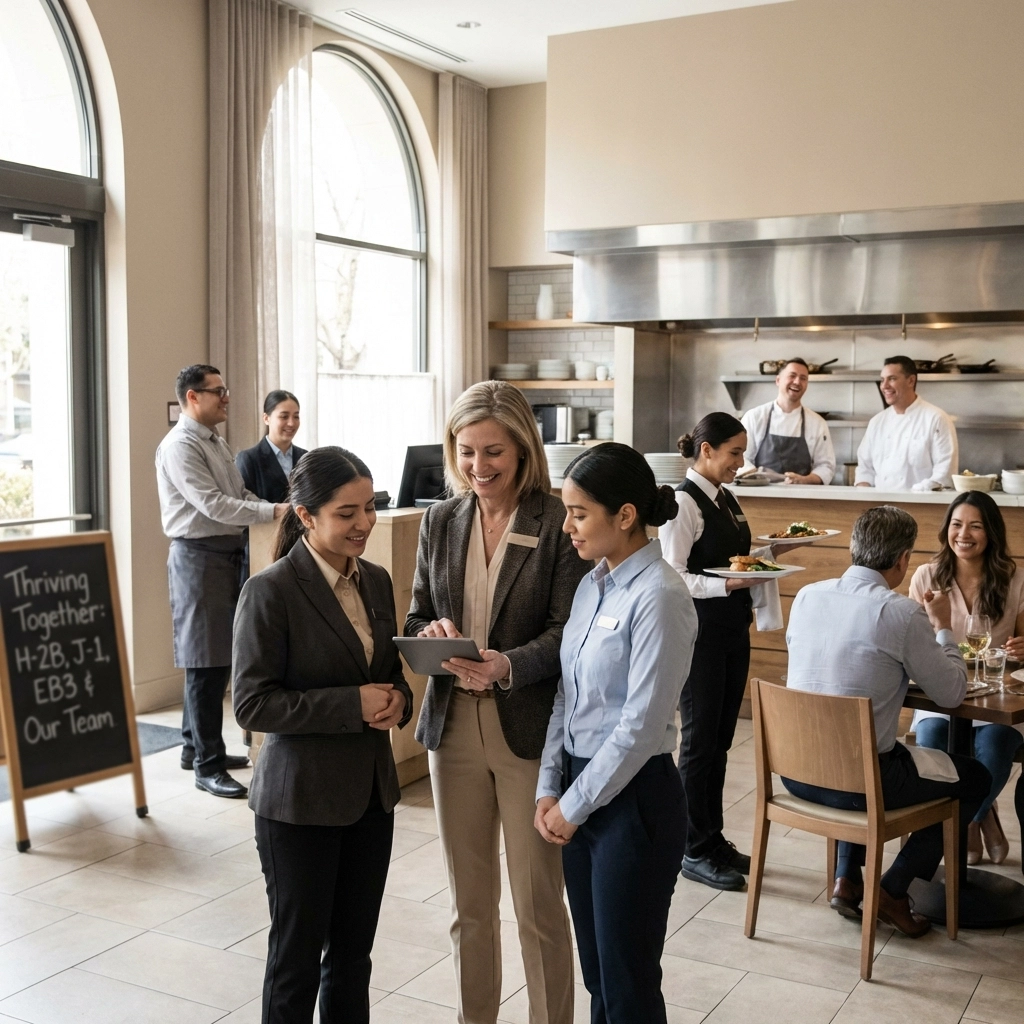
The hospitality industry is facing a workforce crisis that shows no signs of slowing down. According to recent data, 67% of hoteliers are experiencing staffing shortages, with housekeeping cited as the most critical gap. Globally, the World Travel & Tourism Council projects a shortfall of more than 43 million workers by 2035: with the hospitality sector alone facing a gap of 8.6 million workers.
For hotel owners and managers across the United States, these numbers are not just statistics. They represent empty front desks, overworked staff, declining service quality, and lost revenue. The question becomes: where can hotels find reliable, skilled workers when the domestic labor pool simply cannot meet demand?
The answer lies in international recruitment through strategic visa programs. Specifically, the H-2B, J-1 Trainee, and EB3 visa categories offer hotels practical pathways to fill positions: from seasonal housekeepers to long-term culinary professionals.
Understanding the Hospitality Staffing Crisis
Before exploring solutions, it is important to understand why the hospitality industry finds itself in this position. Several factors have converged to create a perfect storm of labor shortages.
The pandemic fundamentally shifted worker expectations and career paths. Many hospitality workers left the industry entirely, seeking positions with more predictable schedules and remote work options. Simultaneously, an aging workforce and declining interest among younger generations in hospitality careers have reduced the pipeline of available talent.
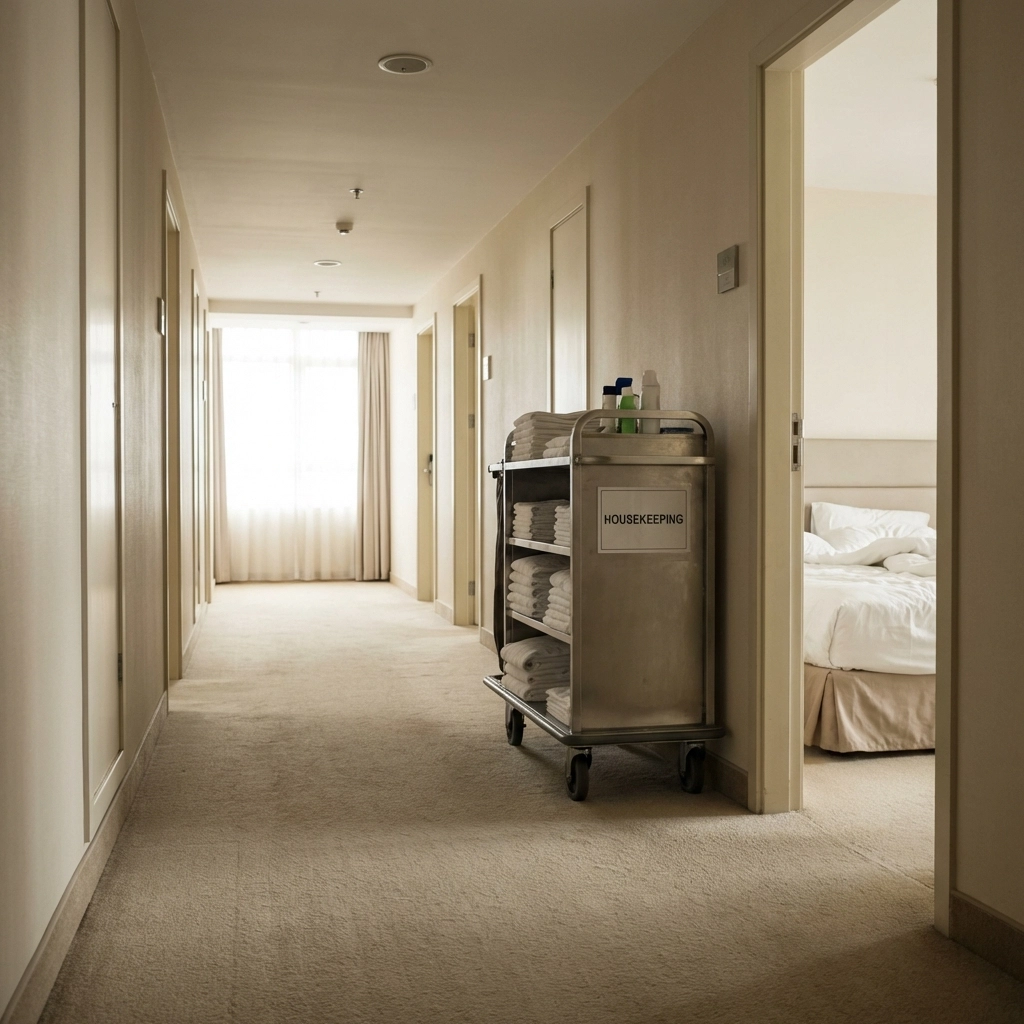
Hotels require a unique blend of skills: customer service excellence, physical stamina, attention to detail, and often multilingual capabilities. Finding workers who meet these criteria domestically has become increasingly difficult, particularly in tourist-heavy regions where housing costs make it challenging for service workers to live nearby.
What options do hotels have when traditional hiring methods fall short? International recruitment through established visa programs offers a proven solution.
The H-2B Visa: Seasonal Staffing Solutions
The H-2B visa program is specifically designed for temporary non-agricultural workers, making it an ideal fit for hotels with seasonal peaks. Whether a property experiences surges during summer beach season, winter ski months, or holiday travel periods, the H-2B program provides a legal framework to bring in qualified international workers.
How the H-2B Program Works
Hotels must first demonstrate that they cannot find sufficient American workers to fill available positions. This involves advertising roles through state workforce agencies and proving that hiring foreign workers will not adversely affect the wages or working conditions of similarly employed U.S. workers.
Once approved, hotels can bring in workers for a temporary period: typically up to one year, with the possibility of extensions up to three years. Common positions filled through H-2B include:
- Housekeeping staff
- Kitchen and food service workers
- Groundskeepers and maintenance personnel
- Front desk and guest services associates
The H-2B program does have an annual cap, which means timing and proper planning are essential. Working with experienced consultants who understand the application windows and requirements can make the difference between securing workers and missing out entirely.

The J-1 Trainee Visa: Developing Future Hospitality Leaders
While the H-2B addresses immediate staffing needs, the J-1 Trainee visa serves a different but equally valuable purpose. This cultural exchange program allows hotels to host international professionals who are seeking hands-on training and experience in the American hospitality industry.
What Makes J-1 Trainees Unique
J-1 Trainees are not entry-level workers. They are professionals from abroad: typically with degrees or significant experience in hospitality: who want to enhance their skills through structured training programs. For hotels, this means access to motivated, educated individuals who bring fresh perspectives and international hospitality standards to the team.
The J-1 Trainee program requires hotels to develop a detailed training plan that outlines what skills the trainee will acquire during their stay. This structured approach benefits both parties: trainees gain valuable American hospitality experience, while hotels receive dedicated workers who are eager to learn and contribute.
J-1 Trainees can participate in programs lasting up to 18 months, providing hotels with medium-term staffing stability. Positions commonly filled through this program include:
- Front office management trainees
- Food and beverage supervisors
- Event planning and catering coordinators
- Revenue management assistants
The cultural exchange component also adds value to hotel operations. J-1 participants often speak multiple languages and understand diverse cultural expectations: skills that are invaluable when serving international guests.
The EB3 Visa: Building a Permanent Workforce
For hotels seeking long-term staffing solutions rather than temporary fixes, the EB3 visa category opens doors to permanent employment-based immigration. This pathway allows hotels to sponsor skilled workers, professionals, and other workers for green cards, ultimately building a stable, committed workforce.

EB3 Categories Explained
The EB3 visa encompasses three subcategories:
Skilled Workers require at least two years of training or experience. For hotels, this might include experienced chefs, senior housekeeping supervisors, or maintenance technicians with specialized skills.
Professionals hold bachelor's degrees and fill positions requiring that level of education. Hotel management positions, human resources roles, and accounting positions often qualify under this category.
Other Workers (sometimes called "unskilled workers") fill positions requiring less than two years of training or experience. This category can be particularly valuable for hotels struggling to fill housekeeping, laundry, and food service positions.
The EB3 process takes longer than temporary visa programs: often several years from start to finish. However, for hotels willing to invest in the process, the payoff is significant: workers who have made a long-term commitment to both the employer and the country.
Why Hotels Need Expert Guidance
Navigating visa programs is not a simple task. Each category comes with its own requirements, timelines, documentation needs, and potential pitfalls. Immigration enforcement is tightening, and restrictions on employment-based visas continue to evolve. Hotels that attempt to manage these processes without experienced guidance often face delays, denials, and compliance issues.
This is where working with specialized employment solution providers becomes essential. Organizations like A & B Personnel Services serve as "Employment Solution Doctors": diagnosing staffing challenges and prescribing the right visa programs to address them.

What Expert Consultants Provide
Professional recruitment and visa consultants handle the complexities that hotels cannot afford to get wrong:
- Program Selection: Determining whether H-2B, J-1, or EB3 is the right fit for specific positions and timelines
- Documentation Preparation: Ensuring all applications meet stringent government requirements
- Compliance Management: Keeping hotels in full compliance with labor laws and visa regulations
- Candidate Sourcing: Connecting hotels with pre-screened, qualified international workers
- Ongoing Support: Providing guidance throughout the worker's tenure and addressing any issues that arise
The cost of mistakes in immigration compliance can be severe: from fines to debarment from future visa programs. Hotels protect themselves and their workers by partnering with experts who specialize in employment-based immigration.
Taking Action: Next Steps for Hotel Operators
The hospitality staffing shortage will not resolve itself. Hotels that wait for the domestic labor market to improve may find themselves at a permanent competitive disadvantage. Those that proactively explore international recruitment options position themselves for success.
The path forward involves honest assessment of current and future staffing needs, understanding which visa programs align with those needs, and partnering with experienced consultants who can execute the process efficiently.
Whether a property needs seasonal housekeepers through H-2B, management trainees through J-1, or permanent kitchen staff through EB3, solutions exist. The key is taking action before the next busy season arrives.
Ready to explore how international recruitment can solve your hotel's staffing challenges? Visit A & B Personnel Services to learn how the Employment Solution Doctors can help your property thrive.