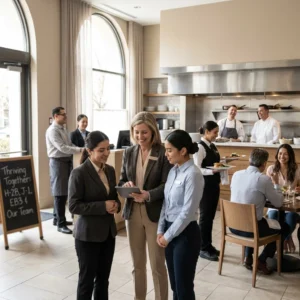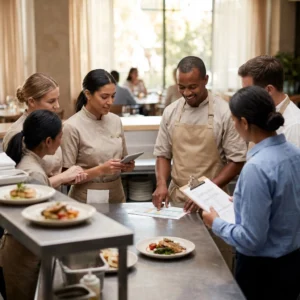

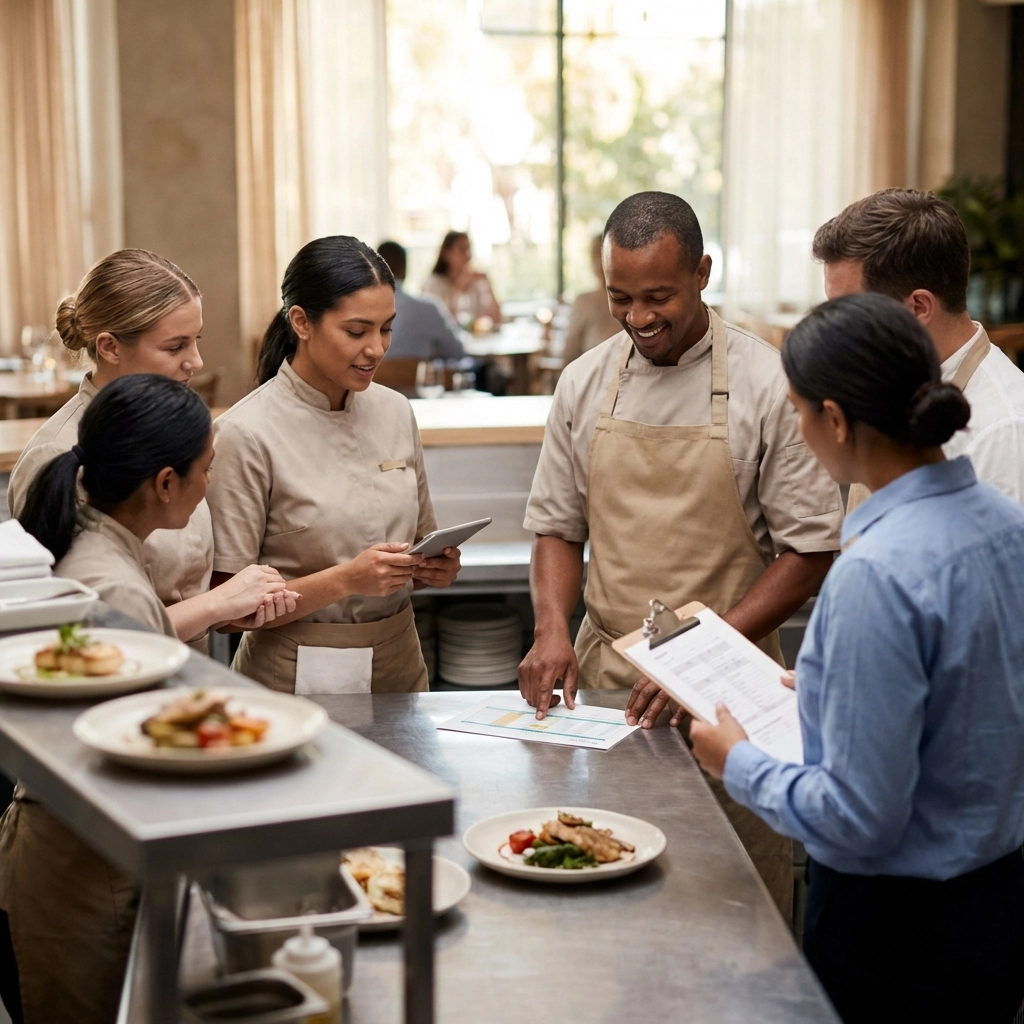
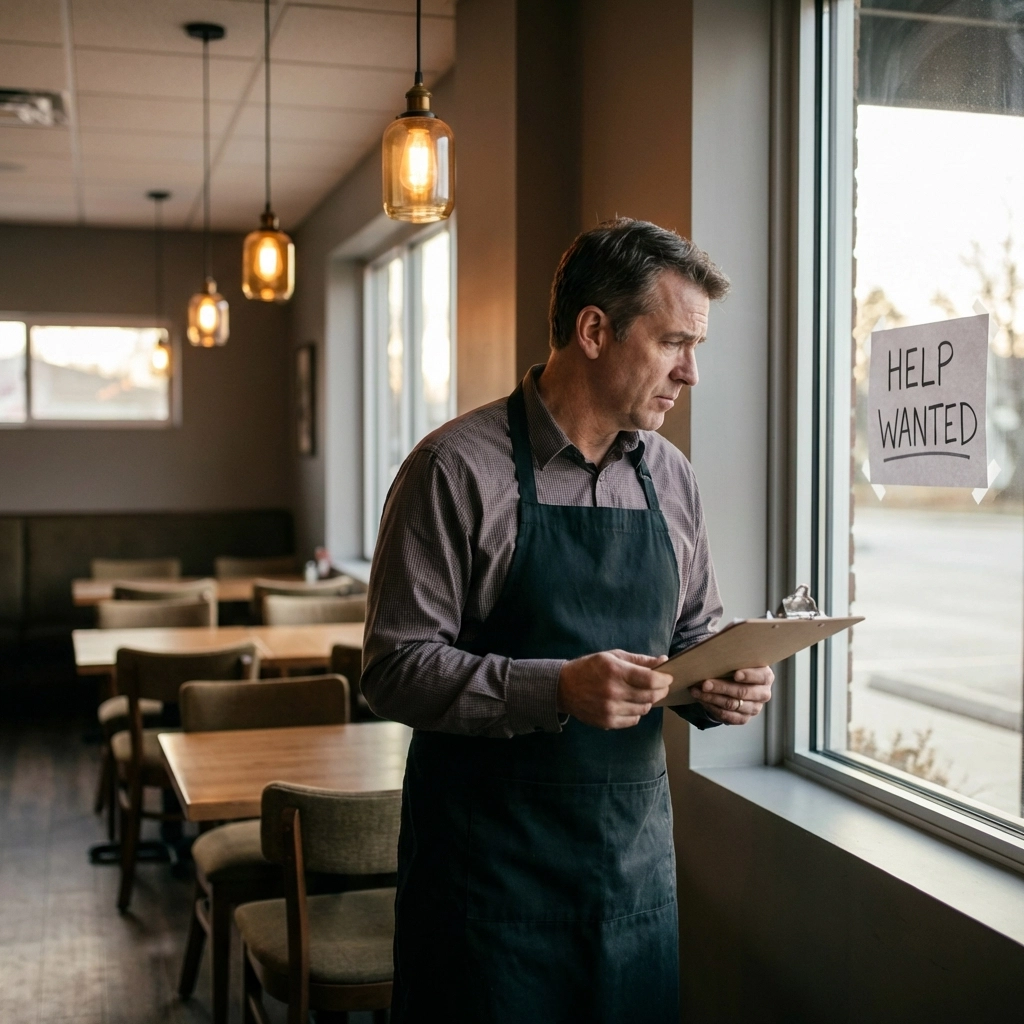
The kitchen is understaffed. The dining room is slammed. And that "Now Hiring" sign in the window? It has been there for months.
Sound familiar?
Restaurants across the country are facing a brutal reality: there simply are not enough workers to go around. The labor shortage hitting the hospitality industry is not a temporary blip, it is the new normal. And if restaurant owners keep waiting for local candidates to walk through the door, they might be waiting forever.
Here is the good news: there is a solution that many restaurant owners overlook. International workers. And there are visa programs specifically designed to get qualified, motivated staff into your kitchen and onto your floor, fast.
Let us break down the five visa programs that can help fill your restaurant positions and keep your business thriving.
The Restaurant Labor Crisis Is Real
Before diving into solutions, it helps to understand the scope of the problem.
The restaurant industry has been hemorrhaging workers since 2020. Many left for other industries and never came back. Others retired early. And the pipeline of new workers? It is not keeping up with demand.
The result? Restaurants are cutting hours, closing sections, and turning away customers, not because business is slow, but because there is nobody to serve them.
What if there was a way to tap into a global talent pool of workers who are eager, trained, and ready to contribute?
That is exactly what these visa programs offer.
1. H-2B Visa: The Fastest Option for Seasonal Needs
If your restaurant experiences seasonal rushes, think summer beach towns, ski resort areas, or holiday catering seasons, the H-2B visa is your best friend.
What is it?
The H-2B is a temporary worker visa designed for non-agricultural seasonal positions. It is perfect for restaurants that need extra hands during peak periods but do not require year-round staffing.
Why restaurants love it:
- Workers can arrive within 2-3 months after approval
- Covers a wide range of positions: line cooks, dishwashers, servers, bussers, prep cooks, and catering staff
- Workers can stay for up to 9 months, leave for 3 months, and return for another 9 months (up to 27 months total)
The catch:
There is an annual cap of 66,000 visas per fiscal year, split into two periods. That means timing matters. Employers need to plan ahead and get applications in early.
What you cover:
Visa fees, flights, accommodation assistance, and Department of Labor-determined wages. It is an investment, but one that pays off when your restaurant can actually operate at full capacity.
2. J-1 Exchange Visitor Program: Train Tomorrow's Hospitality Stars
The J-1 visa is not just about filling positions, it is about cultural exchange and professional development. And for restaurants, it can be a goldmine.
What is it?
The J-1 brings international participants to the U.S. for training and cultural exchange. For restaurants, the most relevant categories are the Intern and Trainee programs.
Why it works for restaurants:
- Participants are typically young, enthusiastic, and eager to learn
- They bring diverse culinary perspectives and fresh energy
- Programs can last from a few months up to 18 months depending on the category
Ideal for:
Restaurants looking to develop talent, expose their team to international techniques, or build a pipeline of future employees who might return on other visa types.
Bonus:
J-1 participants often come from hospitality schools or have restaurant experience in their home countries. They are not starting from scratch.
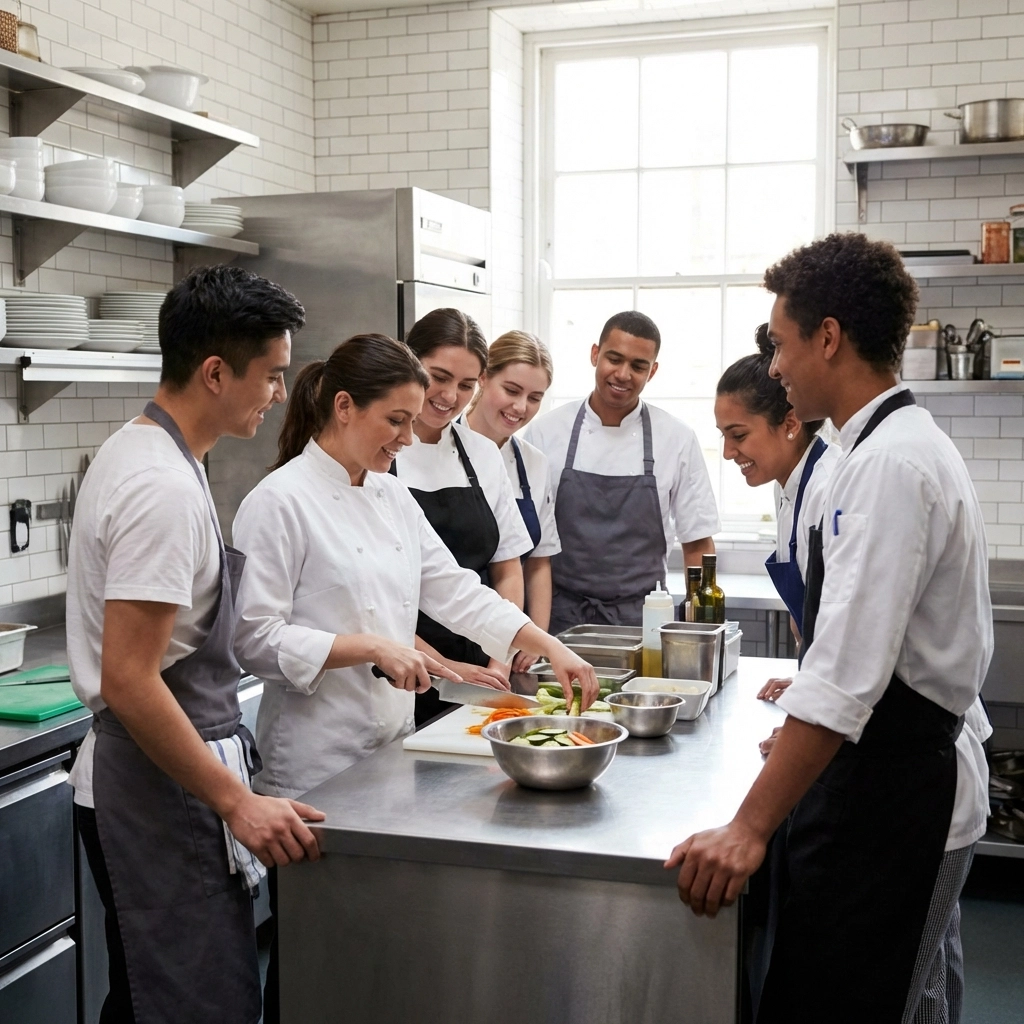
3. EB-3 Visa: The Permanent Solution
Tired of the revolving door? The EB-3 visa offers something the temporary programs cannot: permanence.
What is it?
The EB-3 is an employment-based green card that allows employers to sponsor workers for permanent positions. There is a category specifically for "other workers", positions that require less than two years of training or experience.
Why restaurants should consider it:
- Creates long-term stability for your workforce
- Employees can bring their spouse and children under 21
- Workers become invested in the business because they are building a life here
The timeline:
This is not a quick fix. The process typically takes 12-24 months from start to finish. But for restaurants looking to build a core team of dedicated, permanent staff, it is worth the wait.
The process:
Employers must demonstrate they could not find suitable American workers through documented recruitment efforts. Once approved, the worker receives a green card and can work indefinitely.
4. H-1B Visa: For Specialized Roles
The H-1B is not the first visa that comes to mind for restaurants. It is typically associated with tech companies and professional services. But it has a place in hospitality too.
What is it?
The H-1B is for specialty occupations that require at least a bachelor's degree or equivalent. In the restaurant world, this applies to specific roles.
Where it fits:
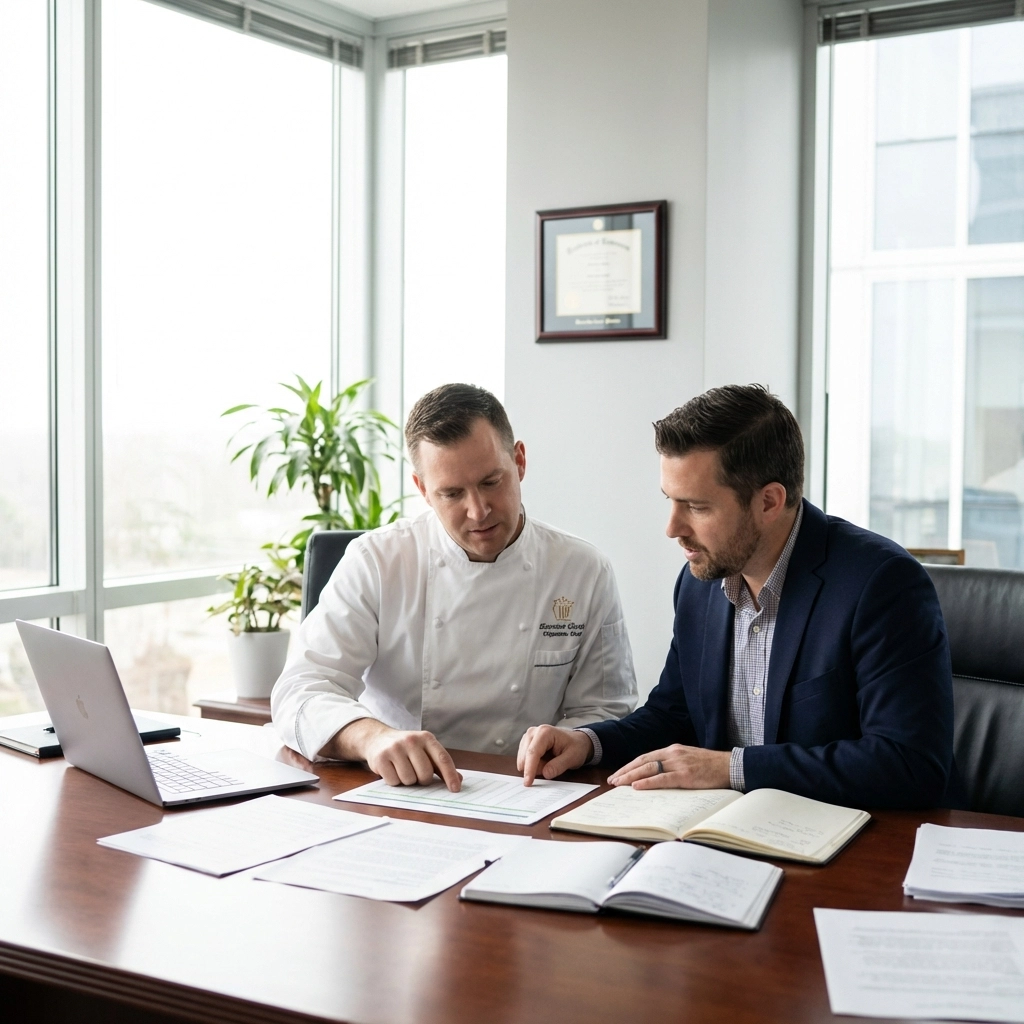
- Executive chefs with culinary degrees
- Restaurant managers with hospitality management degrees
- Sommeliers with specialized certifications
- Food and beverage directors
The reality:
Most front-of-house and kitchen positions will not qualify. But if you are trying to bring in a highly trained executive chef or a restaurant manager with specialized expertise, the H-1B is an option.
Annual cap:
Like the H-2B, there is an annual limit, 85,000 visas per year. Competition is fierce, so this works best for truly specialized positions.
5. H-3 Trainee Visa: Develop Skills On-Site
The H-3 is lesser known, but it can be incredibly useful for restaurants with structured training programs.
What is it?
The H-3 allows foreign nationals to come to the U.S. for training that is not available in their home country. The training must benefit the participant's career when they return home.
Restaurant applications:
- Training in American hospitality standards
- Specialized culinary techniques
- Management and operations training
Key requirement:
The employer must have a formal, structured training program. This is not just about filling a position, it is about providing genuine professional development.
Duration:
Up to two years, depending on the training program.
Which Visa Is Right for Your Restaurant?
Choosing the right visa depends on your specific situation:
| Your Need | Best Visa Option |
|---|---|
| Seasonal staff for peak periods | H-2B |
| Cultural exchange and young talent | J-1 |
| Permanent, long-term employees | EB-3 |
| Specialized roles (executive chef, manager) | H-1B |
| Structured training programs | H-3 |
Many restaurants use a combination. They might bring in H-2B workers for summer rushes, sponsor a few key employees for EB-3 green cards, and host J-1 trainees to keep fresh perspectives flowing through the kitchen.
The Process Does Not Have to Be Overwhelming
Here is what stops most restaurant owners from exploring these options: they assume it is too complicated, too expensive, or too time-consuming.
Yes, there is paperwork. Yes, there are fees. And yes, it takes planning.
But the alternative: running understaffed, burning out your existing team, and losing revenue because you cannot serve customers: is far more expensive in the long run.
Working with an experienced recruitment and immigration partner makes the process manageable. The right partner handles the documentation, navigates the timelines, and ensures compliance so restaurant owners can focus on what they do best: running their business.
Ready to Solve Your Staffing Problem?
The labor shortage is not going away. But restaurants that adapt: that look beyond local hiring and tap into international talent: are the ones that will thrive.
These five visa programs exist for a reason. They connect motivated workers with employers who need them. They fill gaps that domestic hiring simply cannot address.
The question is not whether these programs work. They do. The question is whether your restaurant is ready to take advantage of them.
A & B Personnel Services specializes in connecting restaurants and hospitality businesses with qualified international workers. From H-2B seasonal staff to EB-3 permanent placements, the team handles the complexity so you can focus on your customers.
Your kitchen does not have to stay understaffed. Your dining room does not have to turn away guests. The workers are out there; and the visa programs to bring them in are already in place.